Five High-Street Tool Finds That Earn Their Keep on a Modeller's Bench
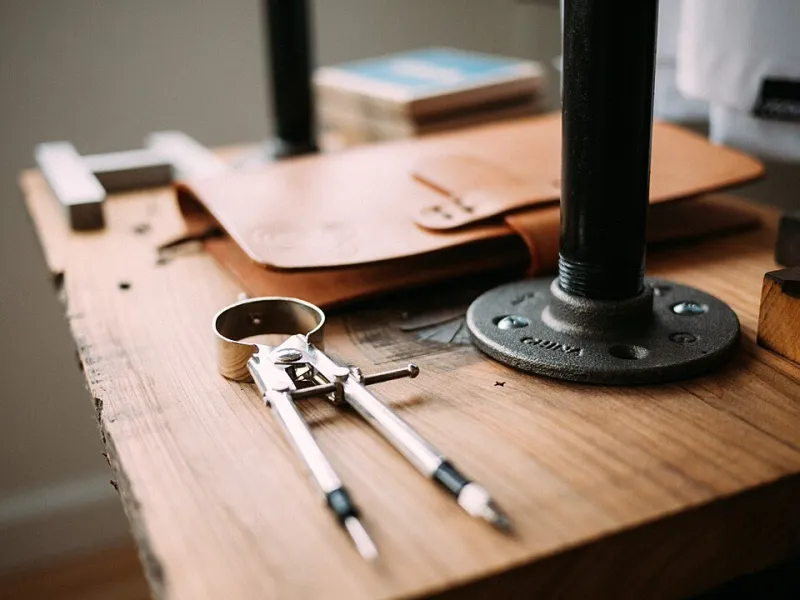
Photo: Jeff Sheldon ugmonk, CC0, via Wikimedia Commons
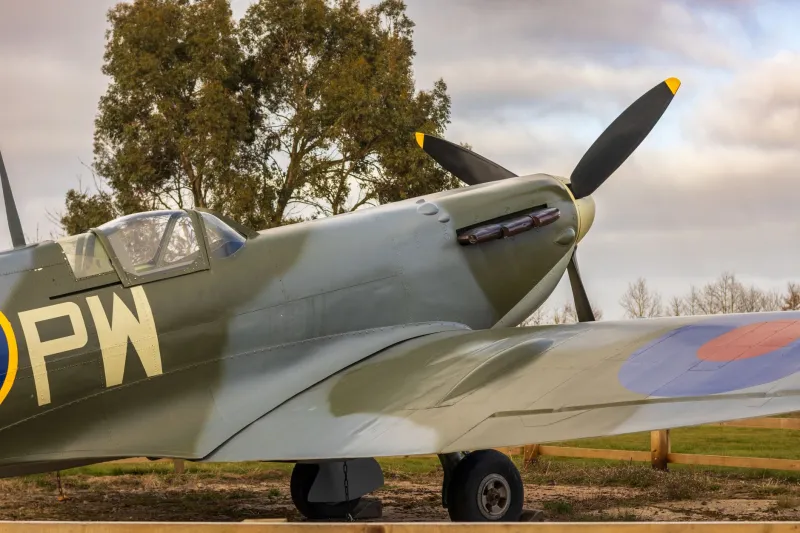
There is a particular kind of quiet satisfaction in finding a tool that costs less than a round of drinks and does the job properly. At our last Colchester club night, the conversation drifted from aftermarket decals to the price of sanding sticks, and someone said the thing we were all thinking: most of this stuff started life in a hardware shop anyway. So I set myself a challenge for this build: spend no more than £5 per item on high-street or trade-counter tools, then test each one against the hobby-brand equivalent I already own. The guinea pig was an Airfix 1/72 Hurricane Mk I, a kit with enough flash and enough fine detail to sort the useful from the gimmicky.
The rules of the fiver bench
This was not an exercise in replacing every specialist tool with a bargain-bin alternative. Hobby brands earn their money for a reason, especially when precision matters. The idea was simpler: if a hardware-shop item does 90 per cent of the job for 20 per cent of the price, it deserves a place on the bench. Each item had to be available in or around Colchester, either from a town-centre ironmonger, a decorating aisle or one of the trade counters out towards the Hythe. No online-only specials, no clearance lucky dips.
1. Diamond needle files: about £4.99 for a set of six
My local tool shop sells a six-piece diamond needle file set for less than a fiver. They are aggressive, slightly crude and absolutely brilliant for cleaning up plastic. Against my Tamiya files, the coarse grit removes flash faster, and the varied shapes get into locating holes that the hobby files skate over. They are not delicate enough for clear parts or fine etched brass, and the handles feel like they came from a Christmas cracker. But for cleaning up a Hurricane's wheel bays and trimming stubby locating pins, they have become the first thing I reach for. Verdict: buy. Keep a finer hobby file for the delicate work.
2. Wet-and-dry paper assortment: under £5
This is the find that genuinely changed how I sand. A mixed pack of automotive wet-and-dry paper from 400 to 2500 grit costs less than a single pack of branded sanding sticks. Cut it into strips, stick it to a lolly stick with double-sided tape, and you have a sanding stick for pennies. Used wet, it lasts far longer than I expected. Against my usual hobby sanding sponges, the paper cuts flatter and clogs less. The only downside is mess: you need a shallow tray of water and a bit of discipline. Verdict: buy. This is the best-value item on the list, full stop.
3. Digital calipers: often £4.99 to £7.99
I found a set on offer under a fiver. They are plastic-jawed, light and not remotely laboratory-grade. Against a proper hobby caliper, they are less repeatable and the battery cover feels like it might give up first. But for checking whether a replacement strut is roughly the right length, or whether a diorama base will fit inside a display case, they are perfectly adequate. Check that they zero properly before you buy, and do not expect them to survive a drop onto a concrete floor. Verdict: conditional buy. Fine for beginners and rough checks; skip if you need real precision.
4. Mini spring clamps: £2 to £3 for a pack of four
These are the sort of thing you find in a bargain bucket near the till. They are strong, slightly ugly and absolutely ideal for holding a fuselage together while the glue sets. Against modelling clamps, they are bulkier and the jaws can mark soft plastic, so wrap the tips in masking tape first. For diorama bases, though, they are superb. I used two to hold a test base square while the PVA dried, and they have earned a permanent spot in the toolbox. Verdict: buy. Just do not clamp a canopy with them unless you enjoy regret.
5. Decorator's low-tack masking tape: about £3
This is where the fiver bench hit a wall. A roll of own-brand decorator's tape is cheap and plentiful, but the edge is not crisp enough for fine camouflage. Against Tamiya tape, it bleeds, it can leave a residue on paint if left too long, and it does not bend around curves with the same confidence. It is fine for covering large areas, holding parts during painting or masking a diorama base. For canopies and hard-edged schemes, keep the hobby tape. Verdict: skip for fine work; buy for bulk masking.
What I would leave on the shelf
The experiment also threw up a couple of near-misses. Cheap no-name craft knives with flimsy blades are a false economy; the blade wobbles and the handle flexes. A bargain rotary tool with no speed control is too fast for plastic and too crude for resin. And the less said about a pack of "precision" tweezers that bent on first use, the better. The lesson is not that hardware shops are a magic money tree. It is that some categories are simple enough for a cheap tool to do the job.
The bench verdict
The whole haul came to less than £20, and two items have already replaced hobby-brand tools in daily use. The needle files and wet-and-dry paper are genuine improvements, not just savings. The clamps are a useful backup. The calipers are a maybe. The masking tape stays for rough work only. If you are a returning modeller putting a bench together on a budget, start with the files and the paper, then spend the saved money on a decent knife and a proper sanding sponge. Bring your own finds to the next club night; the best tool advice in Colchester is usually the stuff swapped across a table with a mug of tea.