One Box, One Weekend, No Upgrades: The Colchester Starter-Kit Sprint
There’s a particular kind of optimism that lives in a modelling stash. It says: I’ll build that one properly when I’ve got the right aftermarket set, the correct shade of paint and a free weekend that never quite arrives. The A1 starter-kit sprint is the antidote. One box, one weekend, no upgrades. Just you, the plastic provided, a handful of basic tools and a single rattle can.
This isn’t a competition to produce the finest model ever seen on a Colchester bench. It’s a practical exercise in making decisions and living with them. The kit I picked was the sort of thing most of us have built at some point: a 1/72 starter set with a small pot of paint, a brush and a few decals. Nothing exotic. No resin. No photo-etched brass. No third-party masking set. The point is to finish, not to faff.
The rules, kept deliberately blunt
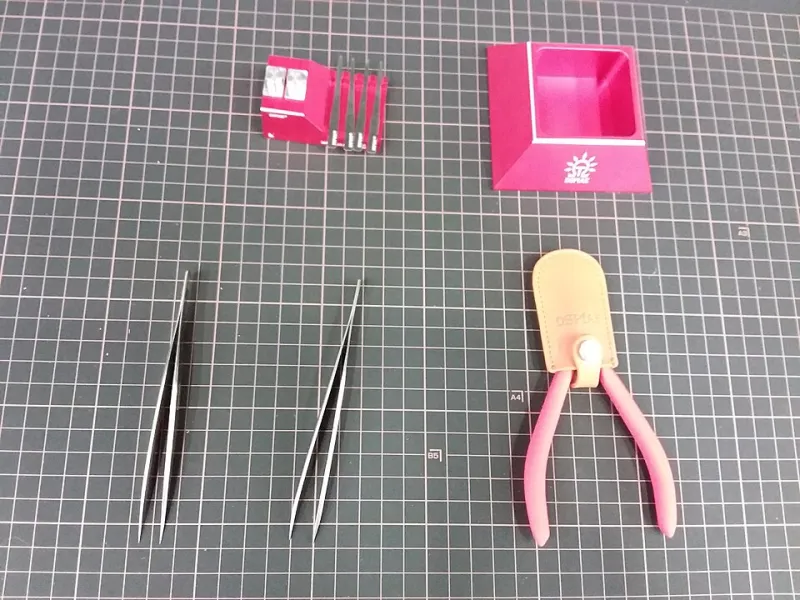
The brief was simple enough to be uncomfortable. Build only what comes in the box. Use basic tools: knife, sanding sticks, side cutters, tweezers, a cutting mat and some tape. One rattle can is allowed for the main colour. No filler unless it’s absolutely necessary, and no replacement decals. If something goes wrong, fix it with what’s on the bench rather than ordering a solution.
That last rule is the one that changes everything. Normally, a gap or a dodgy joint sends me straight to an upgrade set or a fresh pot of magic potion. Here, a gap means deciding whether to shim it with stretched sprue, live with it, or hide it under paint. That’s not a compromise; that’s modelling.
The time plan: Saturday morning to Sunday tea
The weekend was split into blocks, mostly so I couldn’t drift into endless sanding.
Saturday, 9am–11am — inspection and cockpit. Open the box, check the parts, read the instructions properly and clip the main components free. Clean up the cockpit parts and assemble the basics. No detailing. The pilot figure went in because it hides a multitude of sins and gives the cockpit some life.
Saturday, 11am–1pm — fuselage and wings. Glue the main airframe together. This is where clean construction matters more than any aftermarket part. Dry-fit first. Then dry-fit again. Use tape to hold joints while the glue sets. Wipe excess glue immediately. A tidy joint now saves an hour of sanding later.
Saturday, 2pm–4pm — seams and sanding. Sand the seams back carefully. Check the wing roots and the underside. Resist the urge to fill every tiny line. A little Perfect Plastic Putty or a sliver of stretched sprue is enough if a joint really needs help. By 4pm the model should look like an aircraft, not a pile of parts.
Saturday, 4.30pm–5pm — wash and dry. A quick wash in warm soapy water, then leave it to dry overnight. This is also the point to stop. Tired hands make messy models.
Sunday, 9am–10am — masking and rattle can. Mask the canopy and any areas that need to stay clear. Shake the rattle can properly, warm it in a bowl of warm water and spray in light passes. Essex weather in November is not your friend, so spray in a shed or well-ventilated garage and bring the model inside to dry.
Sunday, 10.30am–12pm — decals. Gloss coat if you have time, then apply the kit decals. Use plenty of water and a bit of kitchen roll. Don’t rush. Decals are where a quick build can suddenly look like a proper model.
Sunday, 1pm–3pm — final assembly and touch-ups. Landing gear, prop, canopy, any small parts. Brush-paint the details. A little weathering with a thinned brown wash is allowed if it’s in your basic kit, but keep it restrained. The aim is a finished model, not a diorama.
Sunday, 4pm — photographs and honest assessment. Put it on the bench, take a few photos and write down what went wrong. That last bit matters more than the photos.
The honest mistakes
I glued the cockpit tub slightly off-centre. Not enough to scrap it, but enough that the fuselage halves needed a bit of persuasion. I also used too much glue on one wing root and paid for it with a sanding session that took longer than the cockpit build. The canopy masking was rushed, so there was a small paint creep on one frame. And I sprayed the rattle can a bit too close on the first pass, leaving a slightly grainy patch on the upper wing. All fixable, all annoying, all useful.
The biggest mistake was trying to do the decals before the paint had properly hardened. A couple of the smaller stencils shifted and I had to reposition them. In future, that’s a Sunday morning job, not a Sunday lunchtime job.
The cost breakdown
The kit itself was £14.99 from a local retailer. The rattle can was £8.50. Basic tools were already on the bench, but if you were starting from scratch, a knife, sanding sticks and tape would add perhaps £15–£20. No aftermarket, no extra paints beyond what came in the box and a couple of basic colours. Total spend for the weekend: under £25, excluding tools I already owned. That’s less than a takeaway for two, and it produced a model that sits on the shelf without apology.
What the sprint teaches the Colchester bench
Limitation breeds decision-making. When you can’t buy a fix, you have to think. You learn to dry-fit properly, to use tape as a clamp, to stretch sprue for gaps and to accept that a small imperfection is not a failure. You also learn how much time you normally lose to unnecessary sanding, re-priming and waiting for products to arrive.
Clean construction beats added detail. A well-aligned kit with tidy seams and a decent paint finish will always look better than a poorly built model drowning in aftermarket parts. The starter kit forces you to focus on the basics because there’s nothing else to hide behind.
And finishing discipline matters. The model is done when it’s done. Not when every panel line is washed, every light is drilled out and every antenna is replaced with brass. The A1 spirit has always been “finished, warts and all” rather than endlessly postponed. This weekend build is that spirit in its purest form: a model on the shelf, a few lessons learned, and a bench cleared for the next project.
Would I do it again? Yes. In fact, the next club night might just get a starter-kit sprint table. Bring a box, bring a rattle can, leave the aftermarket at home. Colchester has plenty of spare weekends in 2026; it’s the excuses that need thinning out.