Workhorses vs Shelf Queens: A Brutally Honest Audit of the Colchester Bench
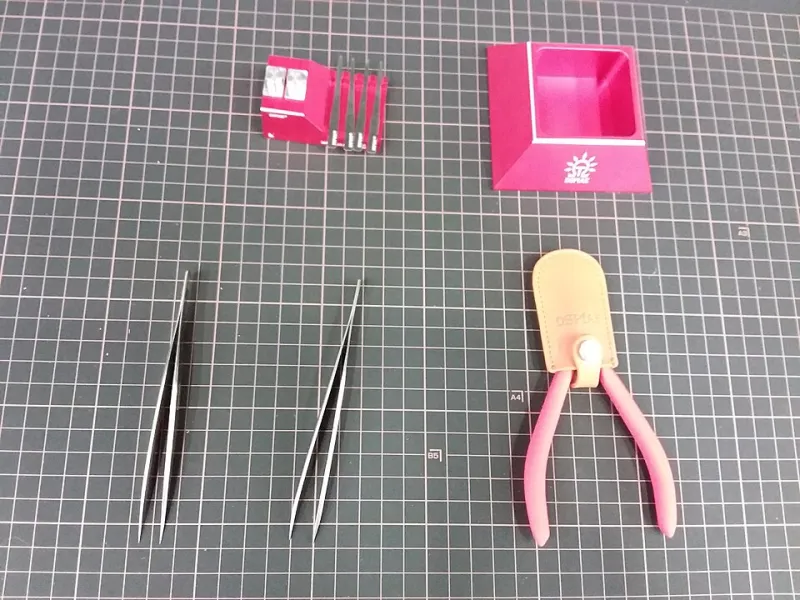
Photo: Nam Rende World 2018 morduoz, CC BY-SA 4.0, via Wikimedia Commons
There's a moment at every club night when someone opens their toolbox and everyone leans in. Not because of the kit inside — because of what's in the lid. The roll of tape with three inches left on it. The brush that used to have a point. The tube of filler with a nozzle like a blocked hose. That lid is the honest version of a modeller, and it's a long way from the tidy wish-list version we build in our heads when we're clicking "add to basket" at eleven at night.
So we asked around. Across a few Colchester club nights this autumn we ran an informal census of what people actually reach for week in, week out, and — more fun — what they bought with real enthusiasm and have never once used. The results were roughly what you'd expect and still somehow surprising.
The rules of the audit
Three questions per item: has it been off the bench in the last month? Would you buy it again at full price? Would you actually notice if it vanished? Anything failing two of the three goes in the shelf-queen pile. No cheating, and no "but I'm saving it for a special build" — that's just a stash with extra steps.
Ten workhorses that never leave the bench
- Thin liquid cement (brush-in-cap). The single most-named item on the list. If you're still squeezing tube glue onto a 1/72 wing root, this is the upgrade that changes your year.
- A decent pair of side cutters. Not the ones from the kitchen drawer. Something with flush faces, so you're not spending Saturday evening filing gate marks off a trailing edge.
- Sanding sponges and micro-mesh sticks. Cheap, disposable, endlessly useful. The 600–1200 grit range does about ninety per cent of the work.
- A wet palette. Anyone painting acrylics who hasn't tried one is working three times harder than necessary. A plastic tub, a bit of sponge, some baking parchment — that's the whole thing.
- Grey primer in a rattle can. Named by more people than any single paint brand. Boring, reliable, and entirely indifferent to what's underneath it.
- Clear gloss (Pledge/Klear or your equivalent). Decal prep, canopy dip, gloss coats. One bottle lasts years, which is why nobody has ever finished one.
- Blu-Tack and a roll of modelling tape. The masking economy. Blu-Tack for the wobbly bits, tape for the straight runs, and never the other way round.
- Cotton buds and kitchen roll. Consumables used at a rate that would frighten you if you kept the receipts.
- Cocktail sticks. Mixing, dotting, nudging decals, cleaning an airbrush nozzle, applying superglue in quantities measured in fractions of a pinhead.
- A decent lamp. Magnifier or not — bright, and somewhere near daylight. Every person who mentioned a light mentioned it in the tone of voice normally reserved for a good dentist.
Honourable mentions that just missed the cut: a cheap set of nail files from the chemist, a small cutting mat you can rotate, and an old mug that has held nothing but brush water since about 2019.
The shelf queens: five things that looked good in the basket
Here's the other half of the census, delivered without judgement, because every bench has them.
- The airbrush bought during a January enthusiasm spike. Used twice, cleaned badly once, now living in its box with the compressor underneath it acting as a shelf for a half-built Hurricane.
- The 72-bottle paint set. Forty of them still sealed. Nine are the same shade of grey. You will use four.
- Resin and photo-etch upgrade sets for kits still in the stash, bought because the set was on offer and going out of production. Nothing wrong with them — they're just waiting for a level of commitment that hasn't arrived yet.
- Weathering pigment sets in eight colours. Realistically you use the dust-coloured one and the dark one, and the rest keep the tin company.
- The rotary tool. Genuinely useful, genuinely terrifying on a thin fuselage half, and therefore almost never switched on.
Nobody should be embarrassed by this. It's a hobby, and part of the hobby is buying things while imagining the modeller you're going to be.
What club night actually says
Ask around a Colchester club table and the same notes come back.
"The airbrush was the biggest waste of money I've ever spent," said one member, who has since gone back to rattle cans and brushes and is turning out better work than before. Another, who builds almost exclusively 1/72 armour, reckons the best tenner he ever spent was on side cutters — "and the second best was on a lamp, because I'd been modelling in the dark for about fifteen years without noticing."
The consensus on paint is less of a consensus than you'd think. There's a strong split between the two big acrylic camps, a smaller but committed following for the Eastern European brands, and a widespread habit of buying whatever the local shop has on the shelf today rather than ordering one specific shade online and waiting a week for it.
Buying smarter in 2026
The practical takeaway isn't "buy less stuff". It's "buy the boring stuff first".
- Spend on the tools that touch the plastic. Cutters, cement, sanding, light, primer. These pay you back on every single build, not just the exciting one.
- Buy paint by the build, not by the range. Pick the three or four colours a project needs, add a couple of staples, and stop. Big sets are a trap dressed as a bargain.
- Try before you splurge at a show. Club nights and show tables are where you find out whether you genuinely enjoy resin or photo-etch — before you spend thirty quid on a set.
- Keep a running "used it twice" list. It's the cheapest form of self-knowledge available to a modeller.
- Check the high street for consumables. Sanding sticks, tape, cotton buds, glue tips, cheap brushes: the shops out at Tollgate and in the town centre will have them today, and postage eats the saving on anything under a tenner.
The diet, summarised
A good bench isn't the one with the most on it. It's the one where nothing is in the way of your hands. Ten workhorses, a couple of shelf queens you're honest about, and a rule that any new purchase has to displace something — that's a bench diet that actually holds together past February.
Now go and count your sanding sponges. You know the drawer.