The Upgrade Audit: Four Questions Before You Add Brass to a Colchester Kit
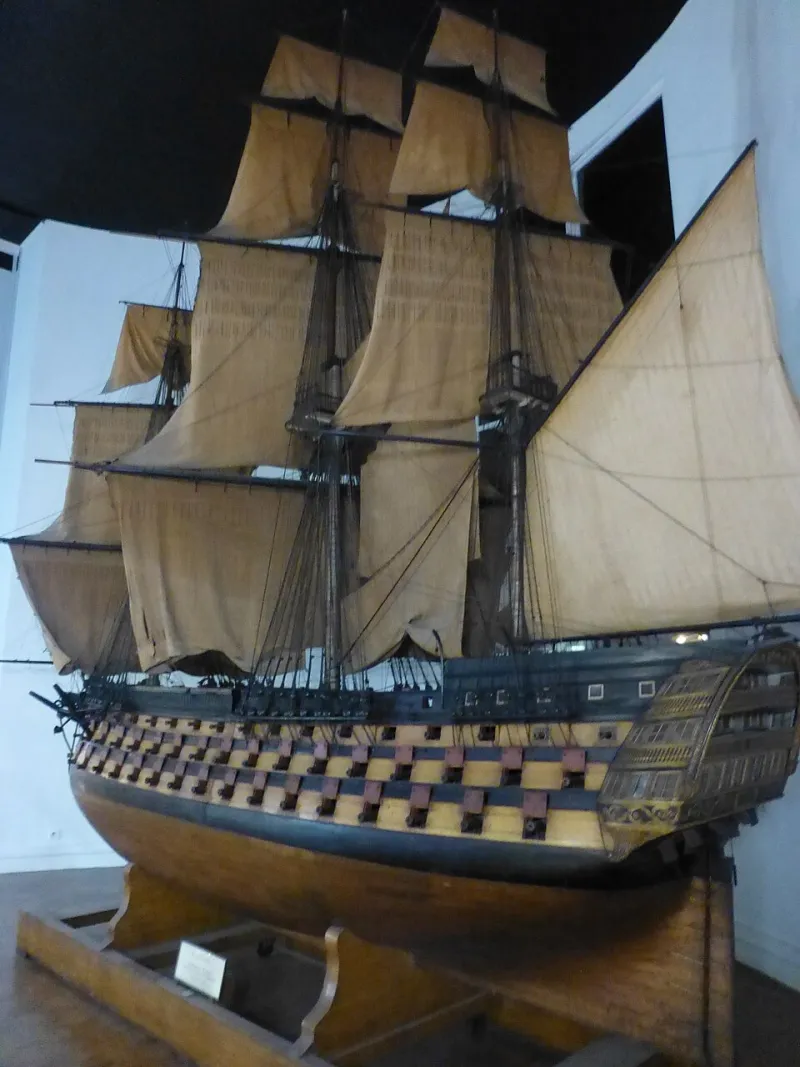
Photo: Als33120, CC BY-SA 4.0, via Wikimedia Commons
There is a familiar sound at club night: the rustle of a small bag, the careful slide of a brass fret onto the table, and the satisfied sigh of a modeller who has just spent more on detail parts than they did on the kit. We have all been there. The aftermarket aisle is seductive because it promises the one thing every modeller wants — a better model — without asking whether the model in question actually needs it.
At Colchester A1 Models, aftermarket bits are not the enemy. A good masking set can save a weekend. A set of resin wheels can rescue a tired kit. But the difference between an upgrade that earns its keep and one that adds another half-started box to the stash is usually not cost. It is intent. So before you click add to basket, run the kit through these four questions.
Question one: will anyone actually see it?
This is the brutal one. At a club table, people look at a model from about 30 centimetres away, under whatever light the venue has, usually while holding a cup of tea. They are not lifting the canopy with a magnifier. If you are building a 1/72 jet with a closed canopy and a pilot figure, a full resin cockpit is largely a private pleasure. That is fine if private pleasure is the point, but be honest about it.
Visible detail is different. An open cockpit in 1/48, a exposed gun breech, a weighted tyre bulge, a replacement gun barrel that sits proud of the armour — these read from across the table. The test is simple: if the part is hidden by plastic, paint or a closed panel, it has to justify itself on build enjoyment alone. Sometimes it does. Often it does not.
Question two: do you trust your references?
Aftermarket sets are only as good as the information behind them. A resin correction based on one blurry wartime photo and a hopeful caption is not an upgrade; it is a rumour with a price tag. Before buying, ask whether you can actually verify the shape, the fit or the variant. If you cannot, you are paying to inherit someone else's guess.
This cuts both ways. A well-researched set for a subject you know well can be a genuine shortcut. A cheap set for a subject you have not studied can create a build you cannot assess. At the bench, confidence matters more than brass content. If you would not be able to tell whether the upgrade was right, save the money and build what is in the box.
Question three: what does it cost in build time?
Every aftermarket part has a hidden invoice, and it is paid in hours. Resin needs cleaning, test-fitting and often filling. Photo-etch needs bending, annealing and a different kind of glue. A masking set can save time, but a full detail set can turn a weekend kit into a three-week negotiation with a file.
If you build in short evening sessions — ten minutes here, half an hour there — be realistic. The upgrade that doubles the parts count also doubles the number of decisions you have to make. Time is the real stash limit in most Colchester spare rooms. A kit that gets finished with a modest upgrade is worth more than a perfect kit that never leaves the box.
Question four: is it for the model or the club-night brag?
There is no shame in buying aftermarket for the pleasure of the research and the build. But there is a difference between upgrading a model and upgrading a story. If the main appeal is posting a photo of the box with the receipt, or being able to say you used the full set, that is a warning sign. The model does not care. The club will admire a clean build far more than a stalled one with expensive intentions.
A useful club-night rule of thumb: bring the kit and the aftermarket set to the table and ask, honestly, whether anyone would notice if the set disappeared. If the answer is no, put it back in the online basket. If the answer is yes, buy it and build it.
Upgrades that tend to earn their keep
Masking sets for complex canopies and camouflage schemes are usually worth it. They are not glamorous, but they save clean-up time and reduce the risk of a smeared frame. Resin wheels with a weighted bulge are another good shout for 1/48 vehicles, because the shape reads immediately. Replacement metal gun barrels for 1/35 armour are cheap, visible and durable, and they survive handling better than plastic. In 1/48 aircraft with an open cockpit, a simple seatbelt set or a vac-form canopy can lift the whole model without turning the build into a project.
The common thread is visibility and simplicity. These are upgrades that solve a visible problem or save a real amount of time. They do not ask you to rebuild the kit around them.
Ones that should stay in the basket
A full resin interior for a closed 1/72 jet is the classic offender. So is a brass machine-gun barrel that disappears behind a cowling, or photo-etch grilles that sit behind solid plastic. Correction sets for kits you have not started and cannot verify are another trap. And any 'ultimate' detail set that costs twice the kit is worth a long pause. It may be excellent. It may also be the reason the kit never gets built.
Aftermarket is seasoning, not the meal. The best upgrade is still a finished model with a clean finish and a story you can tell at the club table. Run the four questions, trust your references, and leave the basket for another day if the answer is not obvious. Your stash will thank you, and your bench will have more room for the next build.