Lest We Overdo It: A 1/72 Hurricane for Remembrance Sunday, Built With Care
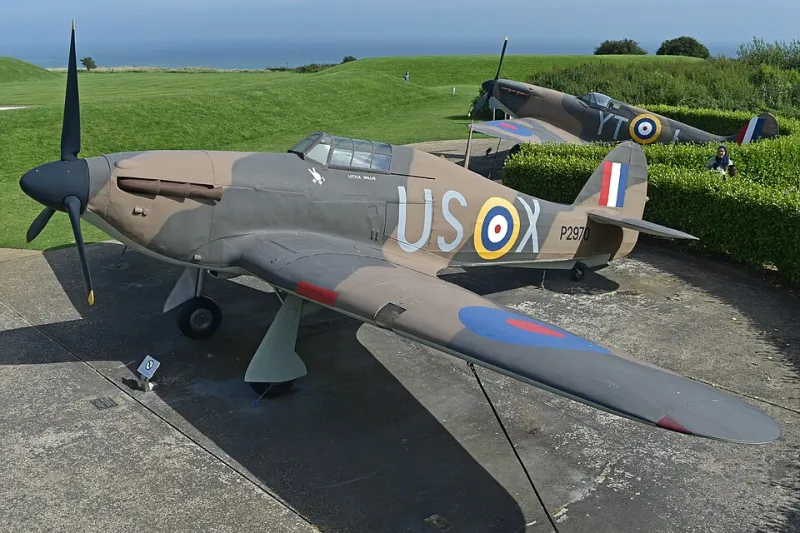
Photo: Alan Wilson from Peterborough, Cambs, UK, CC BY-SA 2.0, via Wikimedia Commons
Remembrance Sunday falls on 8 November in 2026, which means plenty of us in Colchester will be balancing a poppy, a brew and a half-finished Hurricane on the bench. That is not a bad place to be. A 1/72 Hurricane is a sensible, modest subject for November: small enough to finish, historic enough to matter, and capable of saying something without a Hollywood backdrop.
Start with the story, not the smoke
Before you crack the box, decide what the model is for. If it is a club-night build, a personal mark of respect or a piece for a remembrance display, that changes the choices you make. Remembrance modelling tends to go wrong when the model becomes spectacle. A crash scene with twisted metal and a figure half out of the cockpit might feel dramatic, but it can turn a real loss into a diorama prop. Respect usually looks quieter: an aircraft on dispersal, a pilot's name on a small card, a base that suggests a grassy Essex airfield rather than a battle scene.
That does not mean the model has to be bland. It means the drama should come from care, not from fake flames.
Pick a kit you can actually finish
A 1/72 Hurricane is a good scale for this because you can build one without clearing a fortnight in the diary. The modern Airfix Hurricane family is the obvious club-night choice: good fit, sensible engineering, plenty of marking options. Arma Hobby's 1/72 Hurricanes are lovely but need a bit more attention, and older Hasegawa or Frog kits can be fun if you know what you are walking into. The key is not to choose a limited-run kit with no locating lugs the week before Remembrance Sunday. Build for the table, not for the stash.
If you are building with a younger modeller, let them do the parts they can do. A slightly wobbly undercarriage fitted by a ten-year-old is more in the spirit of remembrance than an adult hogging the glue.
Research the Essex link properly
Plenty of Hurricane squadrons operated from Essex stations in 1940. North Weald and Debden are the names most likely to come up, and both are close enough to Colchester to make a local connection feel real rather than decorative. No. 56 Squadron at North Weald and No. 17 Squadron at Debden are useful starting points, but check the squadron record books, station histories and period photographs rather than trusting a decal sheet's vague 'Battle of Britain' label.
If you want a specific aircraft, confirm the squadron codes, serial and period. If you cannot confirm a pilot, do not invent one. A generic Hurricane with a well-researched squadron marking is better than a made-up hero with a fictional backstory. A quick look at local archives or a museum visit can turn a kit into a conversation, and that is often the point.
Weathering with restraint
A Hurricane in 1940 was maintained, not abandoned. Light exhaust staining, some dust on the tyres and a little chipping around the wing root and walkway is usually enough. Heavy mud, rust and oil leaks need references; without them they just look like a modelling exercise. Use pastels or a thin wash, keep it subtle, and resist the urge to add bullet holes unless you are modelling a specific incident you can explain.
The same goes for markings. Kill tallies and nose art can be historically accurate, but they are not automatically appropriate for a remembrance display. If in doubt, leave them off or put the context on the label.
A display that gives context
A simple MDF base, some static grass and a suggestion of a dispersal pen will do more than a resin pile of rubble. Keep the backdrop muted. Add a small printed card with the aircraft type, squadron, station, date and a line about the crew if known. If you use a pilot figure, have him standing by the aircraft rather than posed in combat. A poppy on the base is fine; a poppy field swallowing the aircraft is not.
At a Colchester club table, label remembrance builds clearly and keep them separate from the competition entries. Ask before photographing, especially if the model commemorates a named person. Do not add joke captions about kill counts. The aim is remembrance, not a body count.
Finishing by Sunday
Work backwards. Interior and priming early in the week, main assembly midweek, decals and varnish by Friday, base on Saturday. Leave the fiddly bits until last and accept that a clean, restrained Hurricane with a good label will do more than a rushed showpiece. If it is not finished, take it anyway. A model in progress with a story is still a mark of respect, and that is what 8 November 2026 is for.